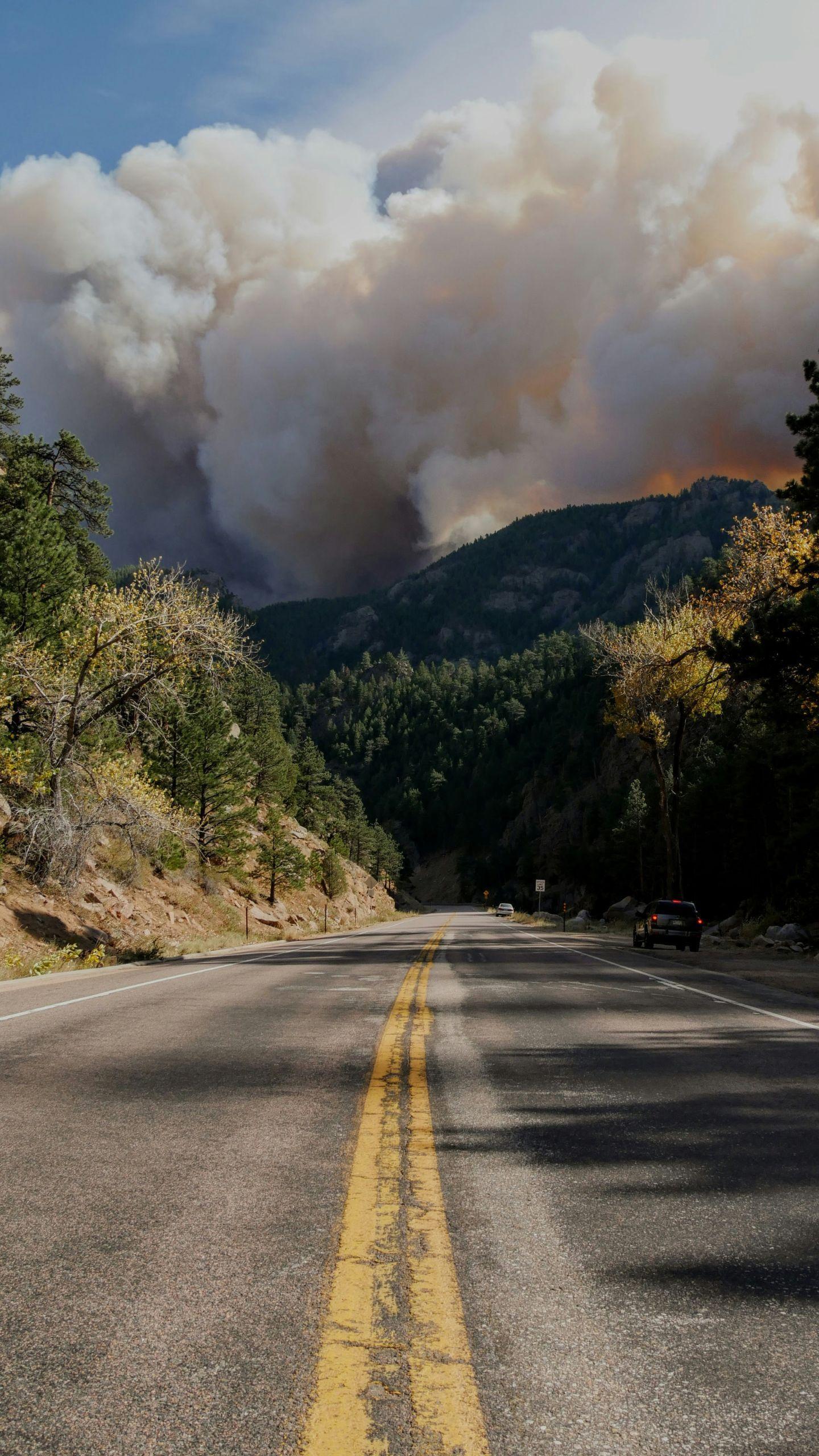
Arkansas Authorities Evacuate 150 Residents as Wildfire Spreads Across 2,000 Acres

What's Happening?
Approximately 150 individuals in Union County, Arkansas, have been evacuated due to a wildfire that has expanded to cover 2,000 acres. The Arkansas Department of Agriculture reported that the fire, located
at Pine Tree Road, began on Thursday night. As of Friday morning, ten bulldozers were actively working to contain the blaze, with replacement crews being prepared from other parts of the state. An aerial detection flight was scheduled for southeast Arkansas, and air tankers were set to commence aerial operations immediately. Shelters have been established in El Dorado at the Municipal Auditorium and Immanuel Baptist Church. Union County Judge Mike Loftin stated that aircraft had dropped water on the fire multiple times by Friday morning, with no reported injuries or home losses. The fire was approximately 50% contained by late Friday afternoon, but increasing winds were anticipated to make it a challenging night for responders. Governor Sarah Huckabee Sanders declared a state of emergency, allocating $250,000 from the Governor’s Disaster Response and Recovery Fund and deploying two Black Hawk helicopters with 'Bambi buckets' from the Arkansas National Guard to aid in the firefighting efforts.
Why It's Important?
This wildfire highlights the severe impact of prolonged drought conditions on U.S. states, particularly Arkansas, where a third of the state is at high risk of wildfires and most counties are under burn bans. The incident underscores the significant strain on local and state resources, necessitating emergency declarations and the deployment of specialized military assets like the National Guard's Black Hawk helicopters. The evacuation of 150 people demonstrates the immediate threat to public safety and property, disrupting daily life and causing potential economic losses for affected residents. The ongoing fire season, with 1,120 wildfires affecting over 29,000 acres in Arkansas this year, indicates a growing challenge for fire management agencies. The state's launch of an online wildfire tracker reflects an increased need for public awareness and coordinated response efforts, as the risk is projected to rise in the coming weeks.
What's Next?
Firefighting crews will continue their efforts to fully contain the wildfire at Pine Tree Road, with particular attention to the impact of increasing winds. The Arkansas National Guard's two Black Hawk helicopters, along with six pilots and six crew chiefs, are committed for an initial two-day support period, which may be extended depending on the fire's progression. Authorities will monitor the fire's containment status and assess the need for further evacuations or resource deployment. The $250,000 allocated from the Governor’s Disaster Response and Recovery Fund will be utilized for ongoing response efforts. The state's agriculture department anticipates a continued increase in fire risk across Arkansas in the coming weeks, suggesting that other communities may face similar threats. The online wildfire tracker will likely be a key tool for public information and emergency coordination as the drought persists.
Beyond the Headlines
The Arkansas wildfire is a stark reminder of the broader implications of climate patterns, such as prolonged droughts, on national disaster preparedness and response. The incident underscores the interconnectedness of environmental conditions and public safety, as dry conditions create an environment ripe for rapid fire spread. The deployment of military assets like the National Guard for civilian emergencies highlights the increasing frequency and intensity of natural disasters that can overwhelm local capabilities. This situation also brings to light the psychological and economic toll on evacuated communities, who face uncertainty about their homes and livelihoods. Furthermore, the incident may prompt discussions on long-term strategies for wildfire prevention, land management practices, and the allocation of resources for states vulnerable to such environmental challenges, potentially influencing future policy decisions at both state and federal levels.